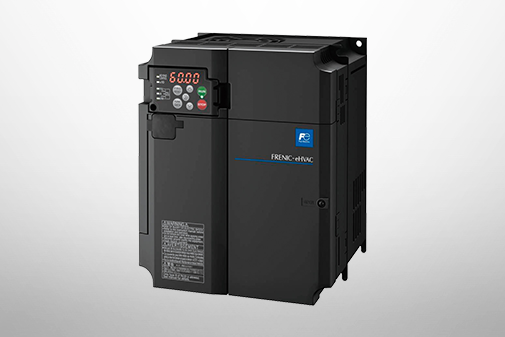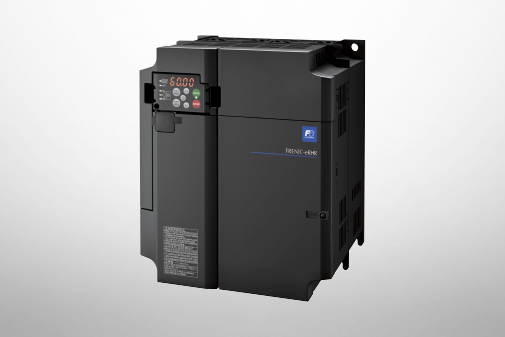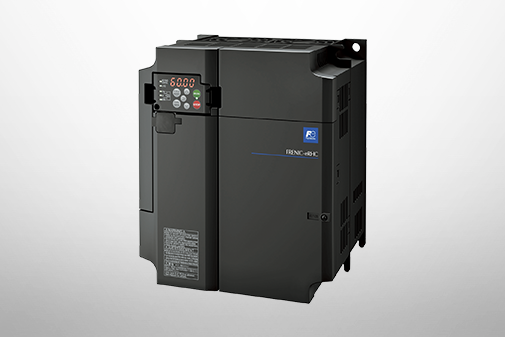




FRENIC-Lift (LM3S)
Standard Specifications | Three-phase 200V


-
Standard Specifications Three-phase 200V
Basic type (Three-phase 200V)
-
Note 1
-
Standard applicable motors are for Fuji Electric's 4-pole standard motors.
-
Note 2
-
The rated capacity is for 200V series: 220V rating.
-
Note 3
-
A voltage higher than the power supply voltage cannot be output.
-
Note 4
-
Indicates when the ambient temp. is 50°C 10kHz, the carrier frequency.
Select the inverter capacity so that the mean square current in operation is 80% or less of the inverter rated current.
-
Note 5
-
This is the estimated value when the power supply capacity is 500 kVA and connected to the power supply of %X=5%.
-
Note 6
-
Indicates the type with a DC reactor (DCR).
-
Note 7
-
Phase-to-phase imbalance ratio [%] =
(Refer to max. voltage [V]-min. voltage [V])/3-phase averaging voltage [V] × 67(IEC/EN 61800-3)
Use an AC reactor (ACR: optional) when using with an unbalance ratio of 2 to 3%.
-
Note 8
-
In UPS operation or battery operation, only the braking operation can be used. Cannot be used in load operation.
Connect UPS or battery power supply to L1/R,L3/T.
-
Note 9
-
Braking time and braking duty ratio (%ED) are defined by cycling operation at the rated regenerative power shown
in the diagram below.

-
Note 10
-
The allowable error of the minimum connectable resistance value is ±5%.
-
Standard Specifications Three-phase 200V
Basic type (Three-phase 200V)
-
Note 1
-
Standard applicable motors are for Fuji Electric's 4-pole standard motors.
-
Note 2
-
The rated capacity is for 200V series: 220V rating.
-
Note 3
-
A voltage higher than the power supply voltage cannot be output.
-
Note 4
-
Indicates when the ambient temp. is 50°C 10kHz, the carrier frequency.
Select the inverter capacity so that the mean square current in operation is 80% or less of the inverter rated current.
-
Note 5
-
This is the estimated value when the power supply capacity is 500 kVA and connected to the power supply of %X=5%.
-
Note 6
-
Indicates the type with a DC reactor (DCR).
-
Note 7
-
Phase-to-phase imbalance ratio [%] =
(Refer to max. voltage [V]-min. voltage [V])/3-phase averaging voltage [V] × 67(IEC/EN 61800-3)
Use an AC reactor (ACR: optional) when using with an unbalance ratio of 2 to 3%.
-
Note 8
-
In UPS operation or battery operation, only the braking operation can be used. Cannot be used in load operation.
Connect UPS or battery power supply to L1/R,L3/T.
-
Note 9
-
Braking time and braking duty ratio (%ED) are defined by cycling operation at the rated regenerative power shown
in the diagram below.

-
Note 10
-
The allowable error of the minimum connectable resistance value is ±5%.
-
Standard Specifications Three-phase 200V
Basic type (Three-phase 200V)
-
Note 1
-
Standard applicable motors are for Fuji Electric's 4-pole standard motors.
-
Note 2
-
The rated capacity is for 200V series: 220V rating.
-
Note 3
-
A voltage higher than the power supply voltage cannot be output.
-
Note 4
-
Indicates when the ambient temp. is 50°C 10kHz, the carrier frequency.
Select the inverter capacity so that the mean square current in operation is 80% or less of the inverter rated current.
-
Note 5
-
This is the estimated value when the power supply capacity is 500 kVA and connected to the power supply of %X=5%.
-
Note 6
-
Indicates the type with a DC reactor (DCR).
-
Note 7
-
Phase-to-phase imbalance ratio [%] =
(Refer to max. voltage [V]-min. voltage [V])/3-phase averaging voltage [V] × 67(IEC/EN 61800-3)
Use an AC reactor (ACR: optional) when using with an unbalance ratio of 2 to 3%.
-
Note 8
-
In UPS operation or battery operation, only the braking operation can be used. Cannot be used in load operation.
Connect UPS or battery power supply to L1/R,L3/T.
-
Note 9
-
Braking time and braking duty ratio (%ED) are defined by cycling operation at the rated regenerative power shown
in the diagram below.

-
Note 10
-
The allowable error of the minimum connectable resistance value is ±5%.
-
Standard Specifications Three-phase 200V
Basic type (Three-phase 200V)
-
Note 1
-
Standard applicable motors are for Fuji Electric's 4-pole standard motors.
-
Note 2
-
The rated capacity is for 200V series: 220V rating.
-
Note 3
-
A voltage higher than the power supply voltage cannot be output.
-
Note 4
-
Indicates when the ambient temp. is 50°C 10kHz, the carrier frequency.
Select the inverter capacity so that the mean square current in operation is 80% or less of the inverter rated current.
-
Note 5
-
This is the estimated value when the power supply capacity is 500 kVA and connected to the power supply of %X=5%.
-
Note 6
-
Indicates the type with a DC reactor (DCR).
-
Note 7
-
Phase-to-phase imbalance ratio [%] =
(Refer to max. voltage [V]-min. voltage [V])/3-phase averaging voltage [V] × 67(IEC/EN 61800-3)
Use an AC reactor (ACR: optional) when using with an unbalance ratio of 2 to 3%.
-
Note 8
-
In UPS operation or battery operation, only the braking operation can be used. Cannot be used in load operation.
Connect UPS or battery power supply to L1/R,L3/T.
-
Note 9
-
Braking time and braking duty ratio (%ED) are defined by cycling operation at the rated regenerative power shown
in the diagram below.

-
Note 10
-
The allowable error of the minimum connectable resistance value is ±5%.
This model is not available in your region.
For more information regarding this product, please contact us via the inquiry form.
-
Standard Specifications Three-phase 200V
Basic type (Three-phase 200V)
-
Note 1
-
Standard applicable motors are for Fuji Electric's 4-pole standard motors.
-
Note 2
-
The rated capacity is for 200V series: 220V rating.
-
Note 3
-
A voltage higher than the power supply voltage cannot be output.
-
Note 4
-
Indicates when the ambient temp. is 50°C 10kHz, the carrier frequency.
Select the inverter capacity so that the mean square current in operation is 80% or less of the inverter rated current.
-
Note 5
-
This is the estimated value when the power supply capacity is 500 kVA and connected to the power supply of %X=5%.
-
Note 6
-
Indicates the type with a DC reactor (DCR).
-
Note 7
-
Phase-to-phase imbalance ratio [%] =
(Refer to max. voltage [V]-min. voltage [V])/3-phase averaging voltage [V] × 67(IEC/EN 61800-3)
Use an AC reactor (ACR: optional) when using with an unbalance ratio of 2 to 3%.
-
Note 8
-
In UPS operation or battery operation, only the braking operation can be used. Cannot be used in load operation.
Connect UPS or battery power supply to L1/R,L3/T.
-
Note 9
-
Braking time and braking duty ratio (%ED) are defined by cycling operation at the rated regenerative power shown
in the diagram below.

-
Note 10
-
The allowable error of the minimum connectable resistance value is ±5%.
-
Standard Specifications Three-phase 200V
Basic type (Three-phase 200V)
-
Note 1
-
Standard applicable motors are for Fuji Electric's 4-pole standard motors.
-
Note 2
-
The rated capacity is for 200V series: 220V rating.
-
Note 3
-
A voltage higher than the power supply voltage cannot be output.
-
Note 4
-
Indicates when the ambient temp. is 50°C 10kHz, the carrier frequency.
Select the inverter capacity so that the mean square current in operation is 80% or less of the inverter rated current.
-
Note 5
-
This is the estimated value when the power supply capacity is 500 kVA and connected to the power supply of %X=5%.
-
Note 6
-
Indicates the type with a DC reactor (DCR).
-
Note 7
-
Phase-to-phase imbalance ratio [%] =
(Refer to max. voltage [V]-min. voltage [V])/3-phase averaging voltage [V] × 67(IEC/EN 61800-3)
Use an AC reactor (ACR: optional) when using with an unbalance ratio of 2 to 3%.
-
Note 8
-
In UPS operation or battery operation, only the braking operation can be used. Cannot be used in load operation.
Connect UPS or battery power supply to L1/R,L3/T.
-
Note 9
-
Braking time and braking duty ratio (%ED) are defined by cycling operation at the rated regenerative power shown
in the diagram below.

-
Note 10
-
The allowable error of the minimum connectable resistance value is ±5%.
AC Drives (Low Voltage) Support

Easy setup and maintenance of low-voltage inverters!
Compatibility table between old and new models
Download documents
Column
Understanding application, benefits, basic structure, case study, types, and Fuji Electric's inverters with this video.
December 27,2021

Understanding the basics: Differences between inverters and converters
January 20,2021

How and what does an inverter take control of? A brief explanation to grasp the basic structure.
January 20,2021

The fundamentals of inverters and their uses.
January 20,2021
Contact and Support
We also accept technical inquiries about products prior to implementation.
If any issues arise with the product, please contact your nearest branch.