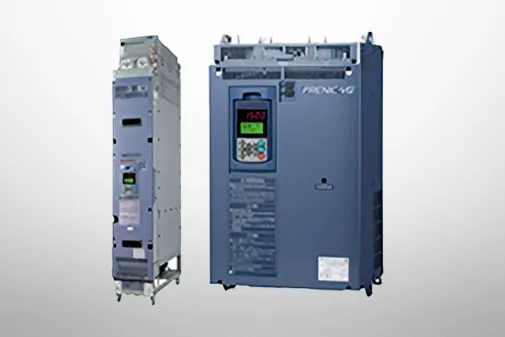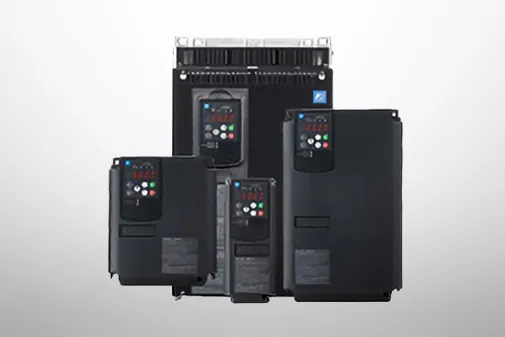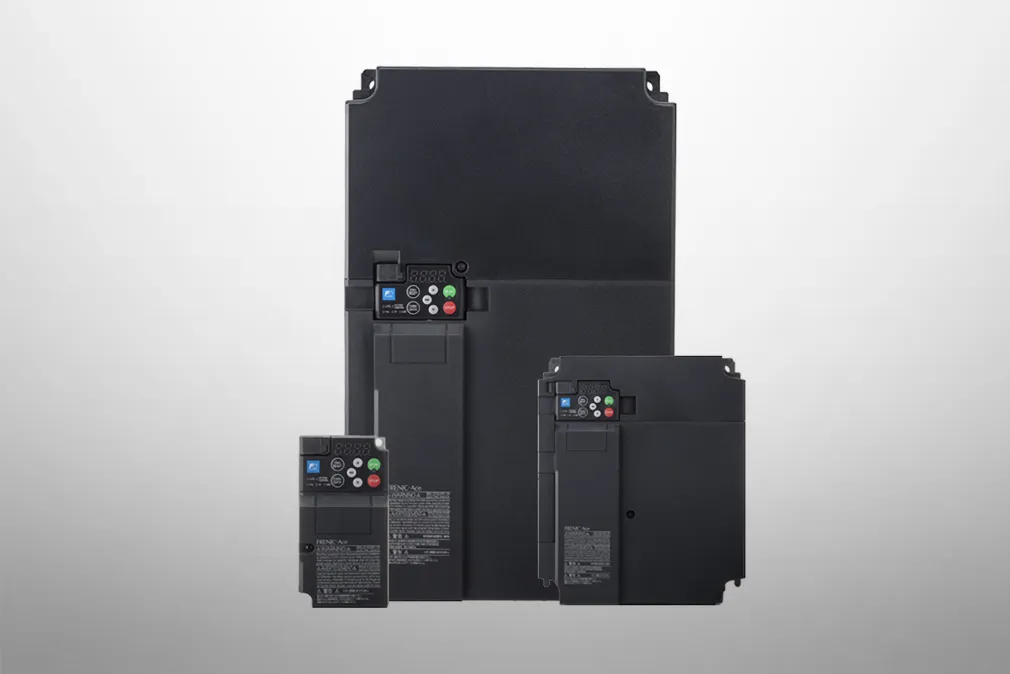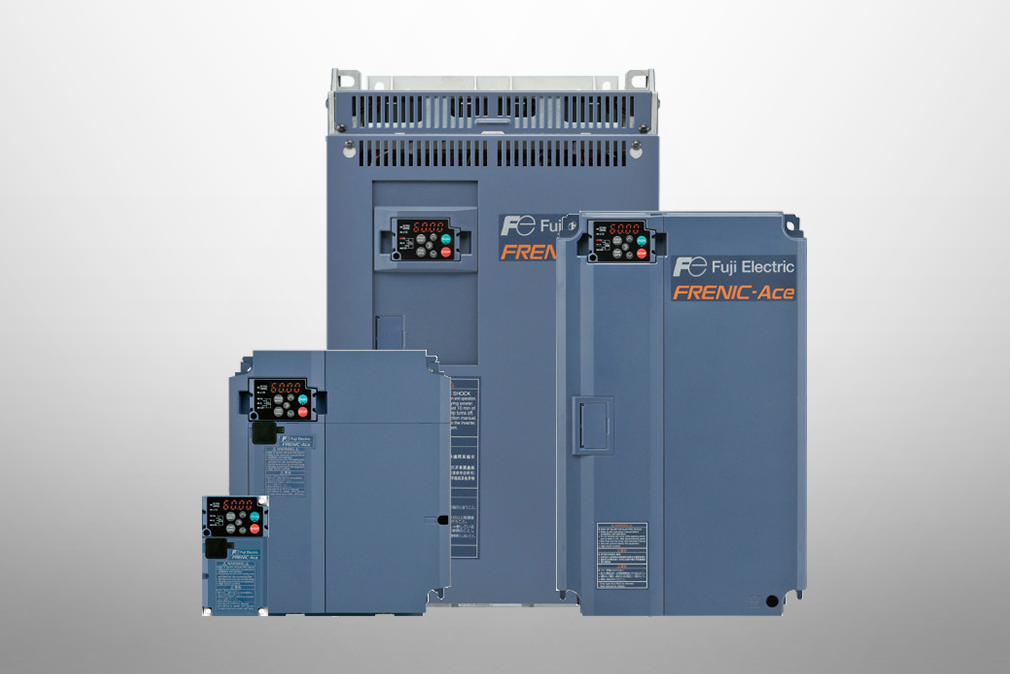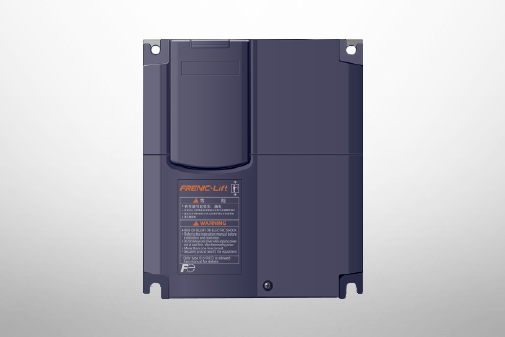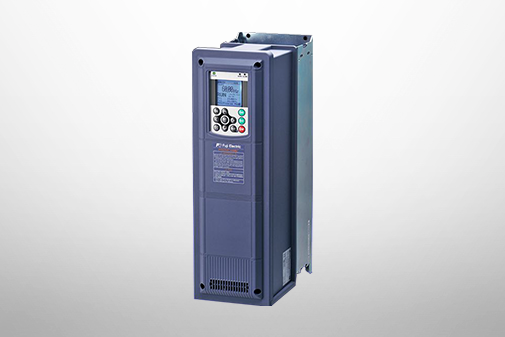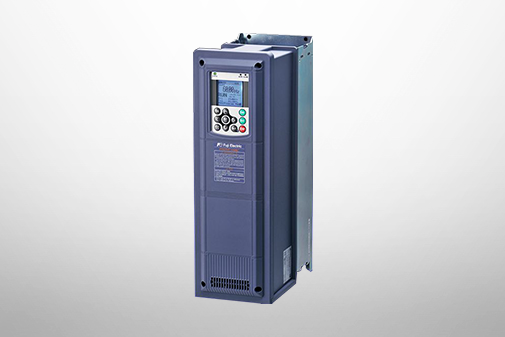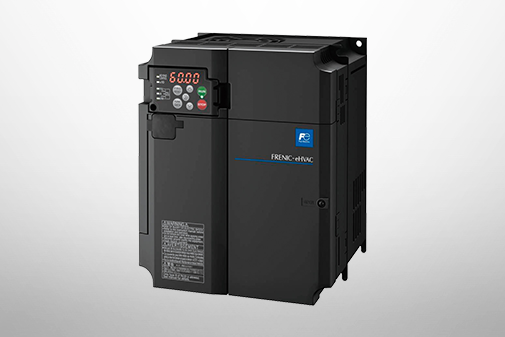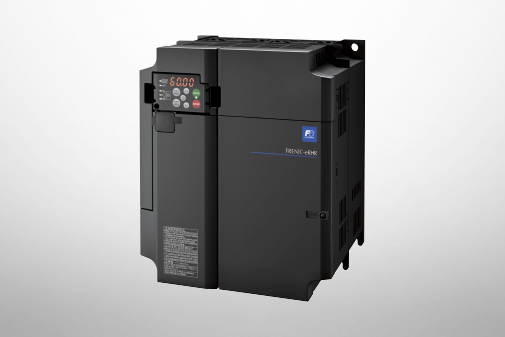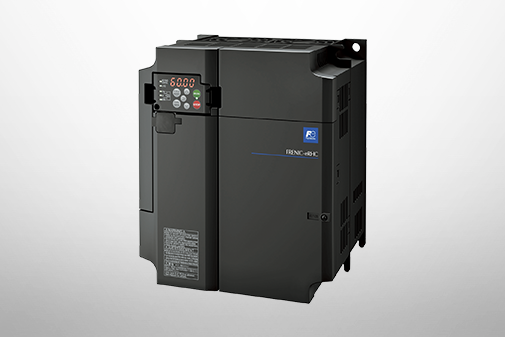




FRENIC-eRHR
Product Information


Energy saving through power regeneration and higher braking capacity
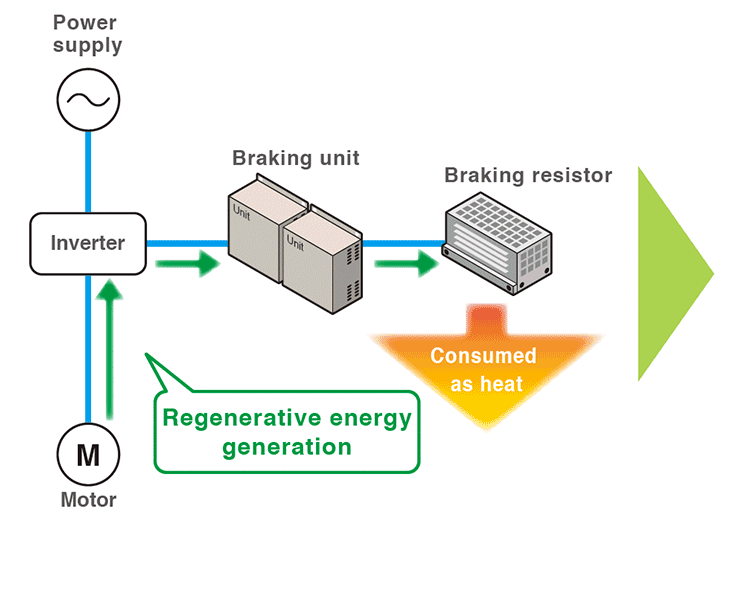
In a vertical transport system, conveyor, or equipment that is driven by an inverter, it is essential that regenerative energy produced by braking be processed. As a method to process this regenerative energy, it is common to use thermal conversion through the combination of a braking resistor and a braking unit, which has the following problems, however.
-
Energy is wasted because it is consumed as heat.
-
The size of the braking resistor becomes large depending on the load conditions, if continuous regenerative braking is required or if the instantaneous regenerative capacity is large.
To solve the above problems, we added this power regenerative converter series to the Fuji drive product lineup.
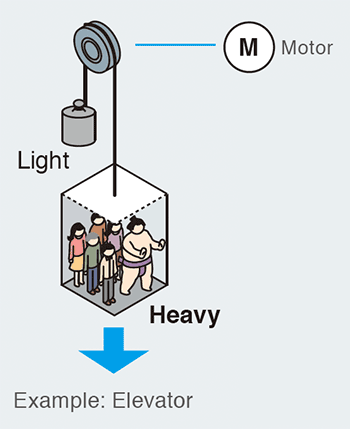
Mechanism of regenerative energy generation
-
1.
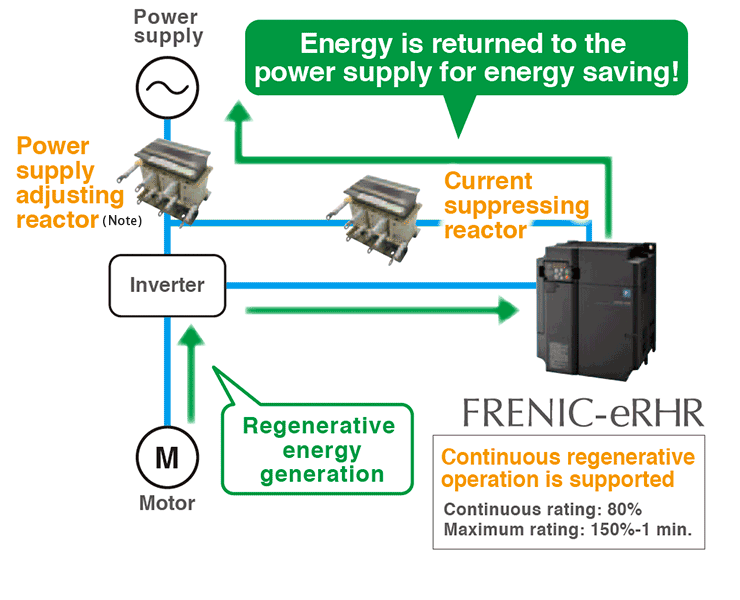
During descent, the motor is rotated by the load to generate power.(Regenerative energy generation)
-
2.
The regenerative energy from the load is returned to power supply to enable energy saving.
When a braking resistor is used
When a power regenerative converter is used
-
Note
-
If the following conditions are satisfied, power supply
adjusting reactor is unnecessary. (Power supply
capacity required for the applicable inverter with the same capacity as the regenerative
converter to be used (with DCR) × 10) > Power supply capacity)
Low cost and space saving
-
For peripherals, the FRENIC-eRHR requires only a current suppressing reactor and a power supply adjusting reactor.
The simple configuration not only reduces the introduction cost, but also enables energy saving through the power regeneration capability. -
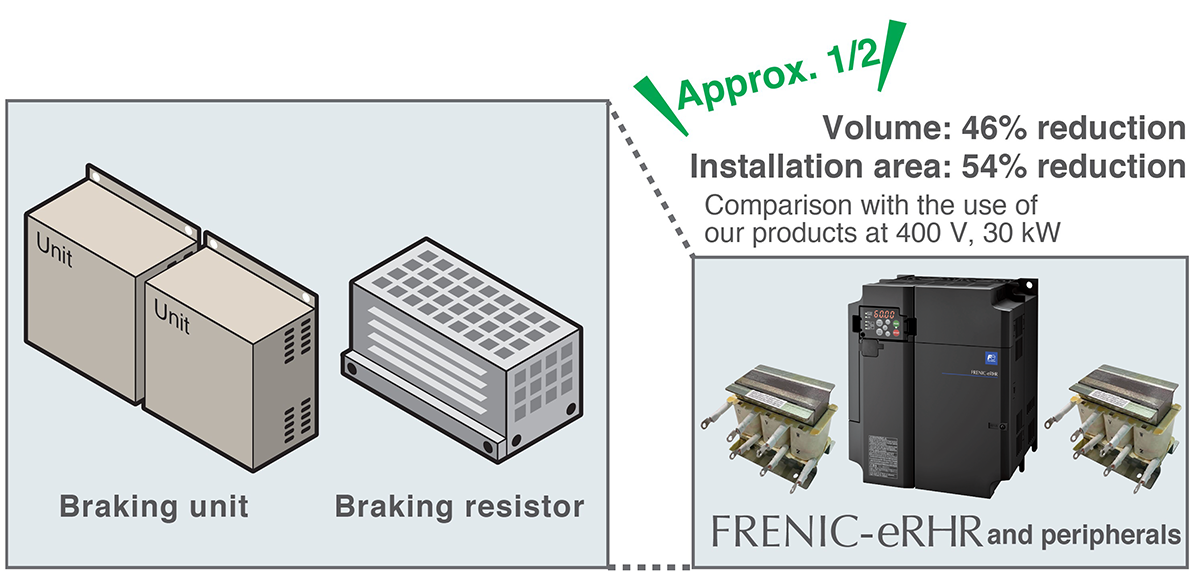
The FRENIC-eRHR saves the control panel space.
-
It enables the downsizing of the control panel compared with the combination of a braking resistor and a braking unit.
-
-
The FRENIC-eRHR no longer requires a braking resistor, which enables a compact control panel design due to significantly reduced heat generation. This also improves the freedom of the installation space because there is no need to worry about the clearance with the resistor.
-
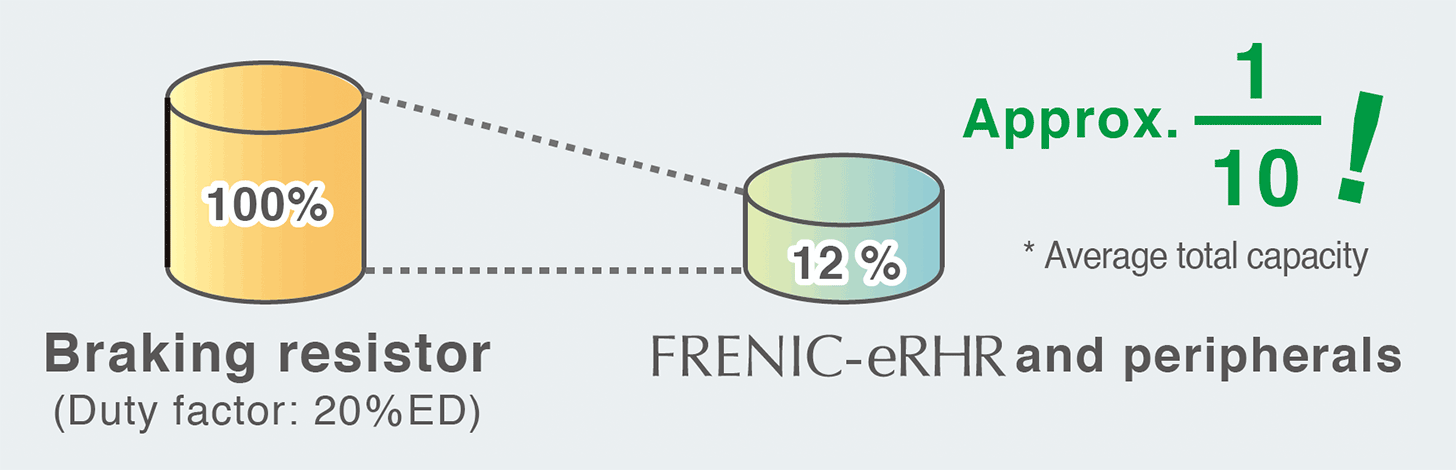
The FRENIC-eRHR contributes to energy saving.
-
It returns the regenerative energy to the power supply, which contributes to energy saving compared with the combination of a braking resistor and a braking unit.
-
Easy to use and ease of maintenance
-
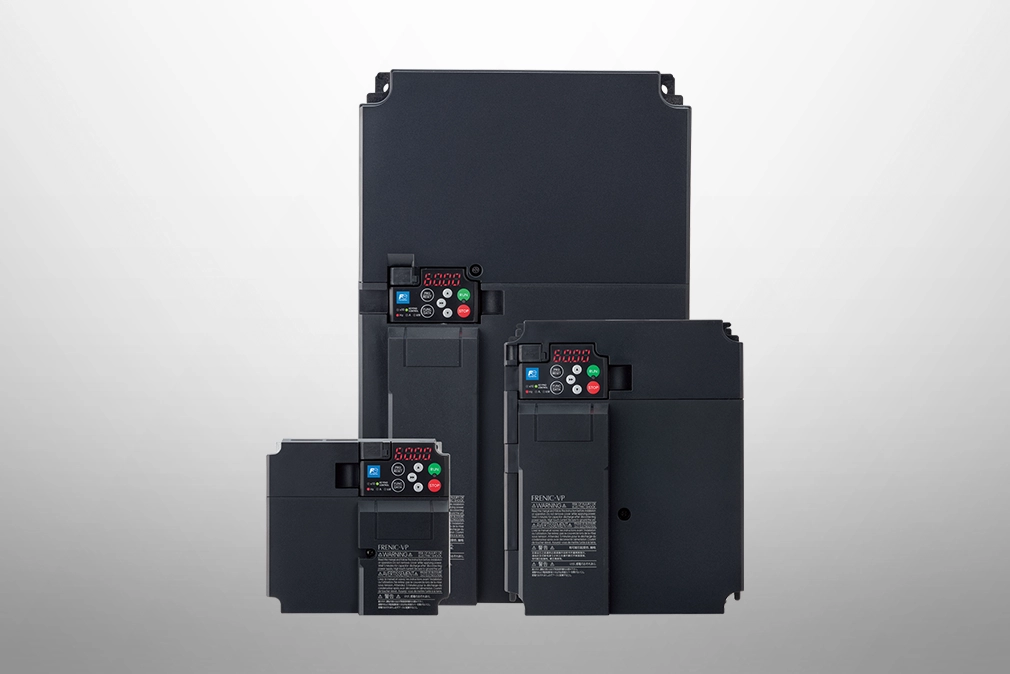
The FRENIC-eRHR inherits the concept of our high-performance standard inverter FRENIC-Ace and, in addition to a similar appearance design, provides a variety of standard functions and a rich set of protective and maintenance functions.
-
The FRENIC-eRHR supports RS-485 communications as standard. It also has a touch panel that you can operate in the same way as that of the FRENIC-Ace.
Long life
For various components with a limited life, we offer 10 years of design life, which is the same as that of the Fuji inverter.
Design life (Note1)
-
Note1
-
This design life data represents calculated values, not guaranteed values.
Compliance with Global Standards
This product is expected to comply with the EC Directive (CE Marking).
Application examples
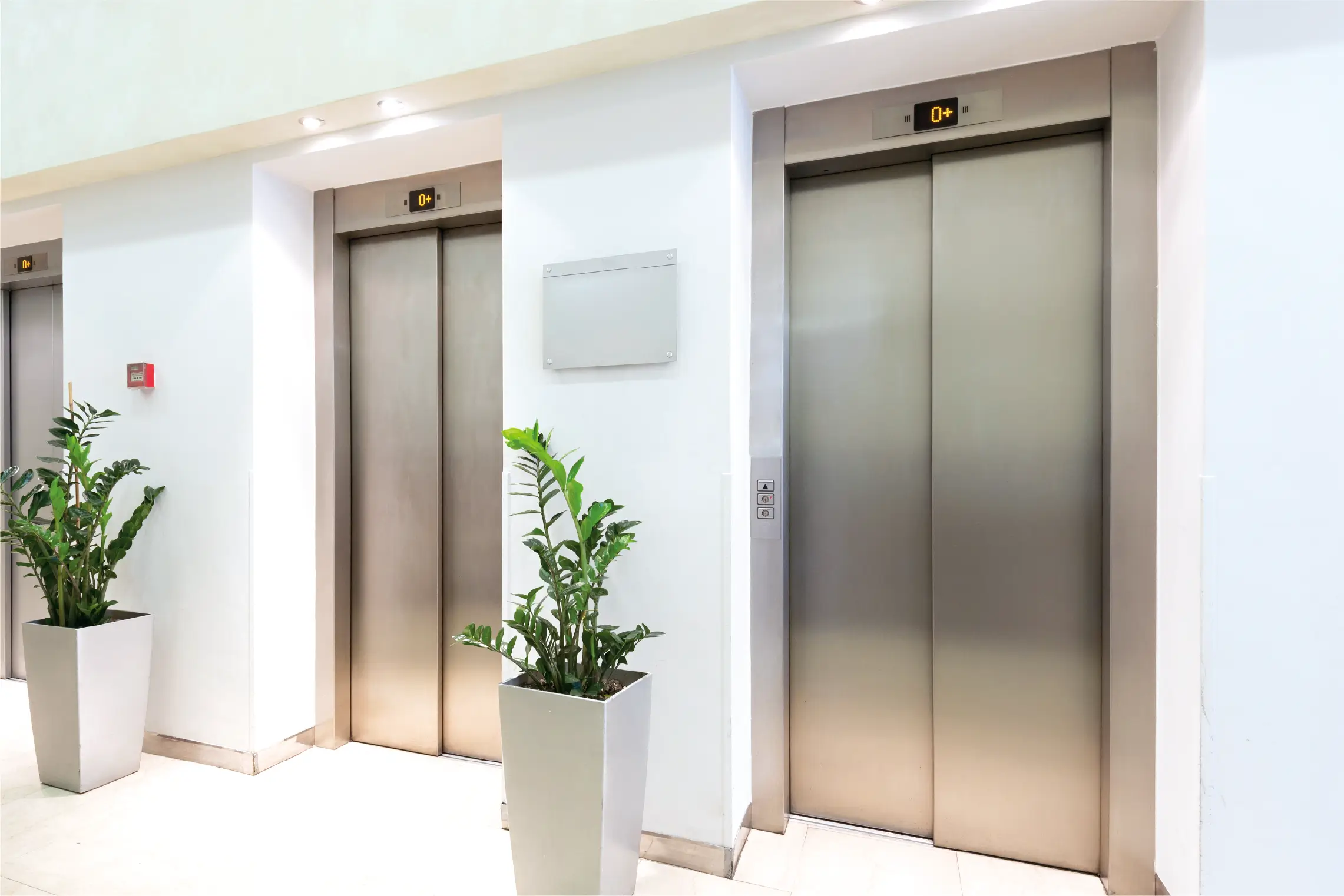
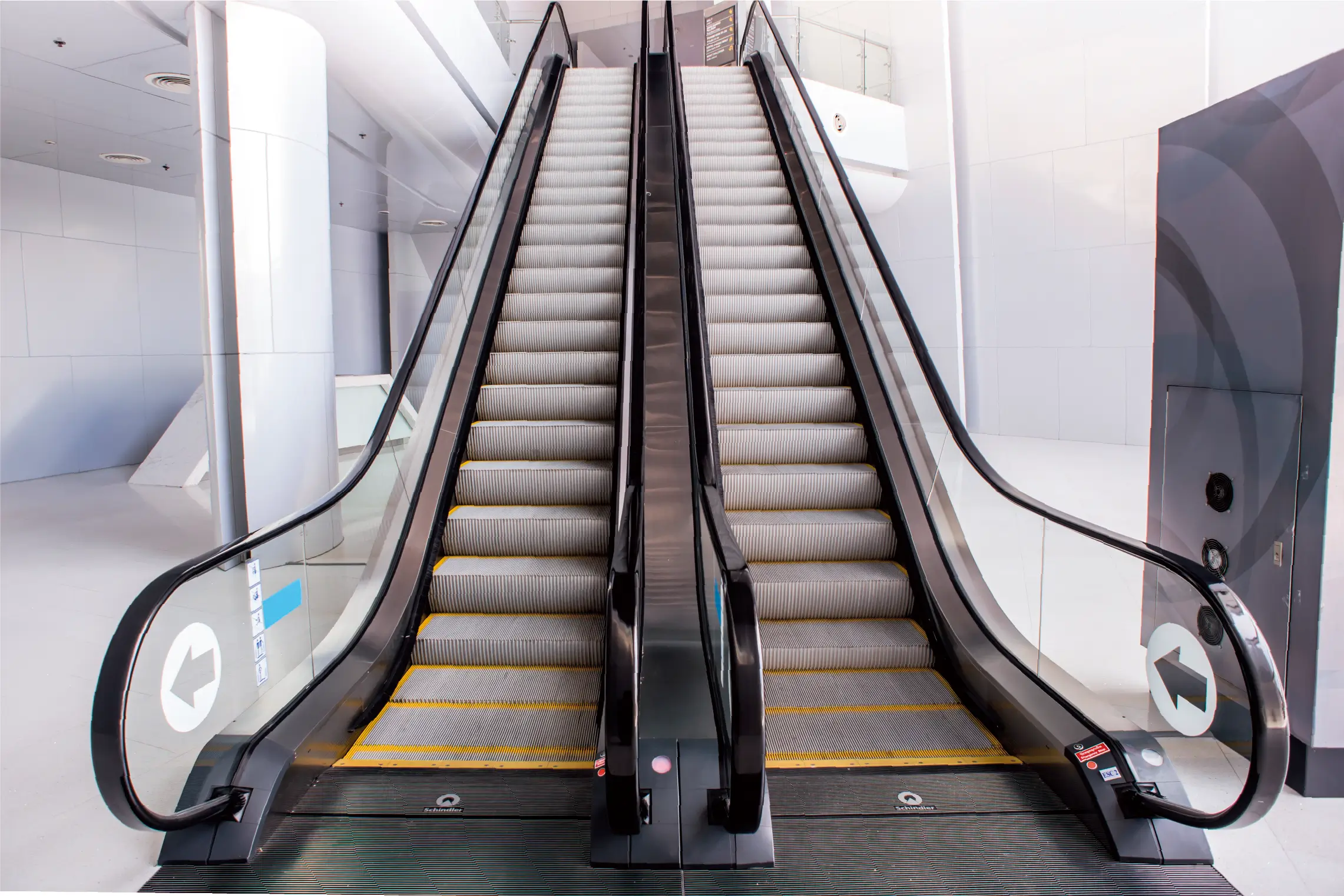
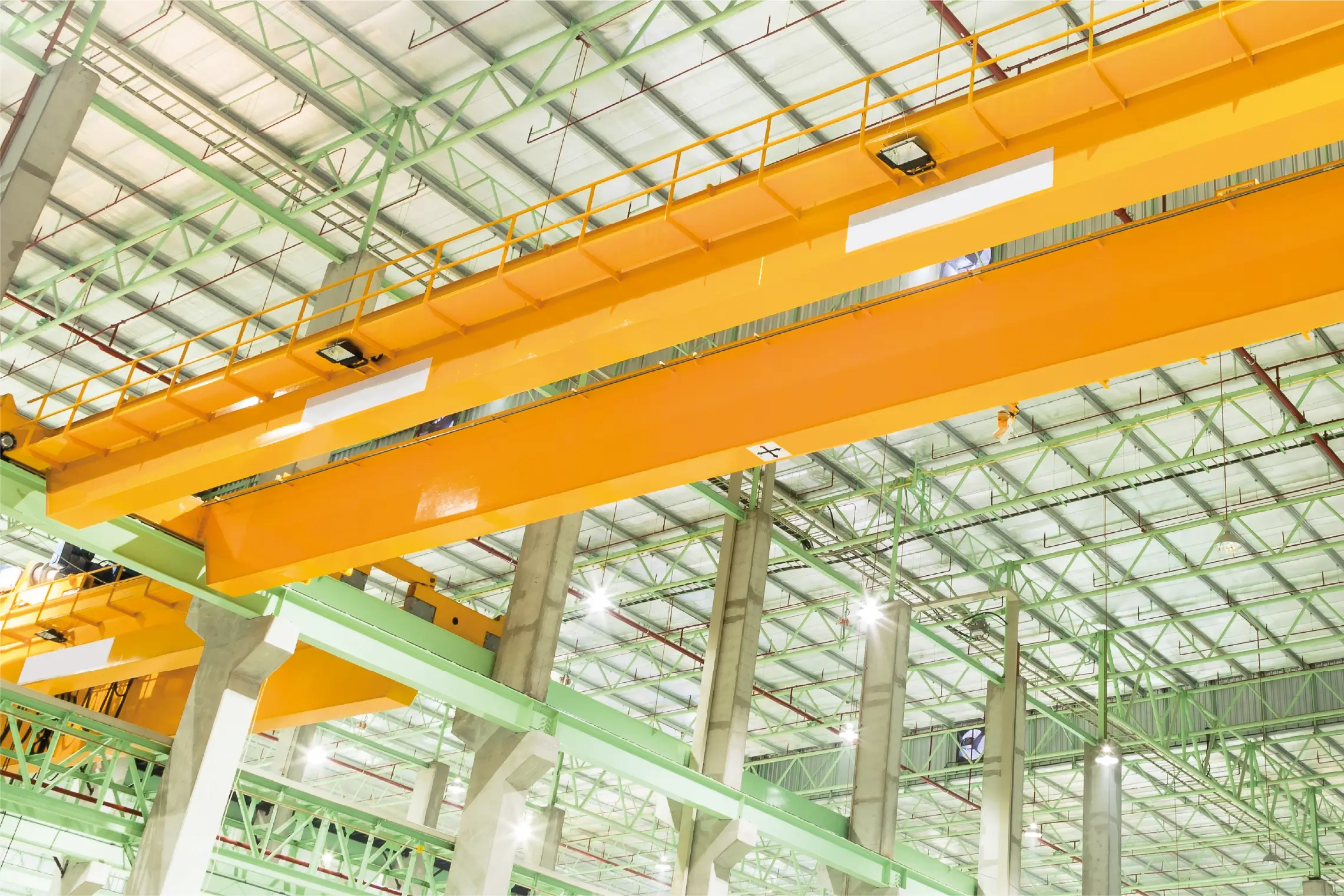
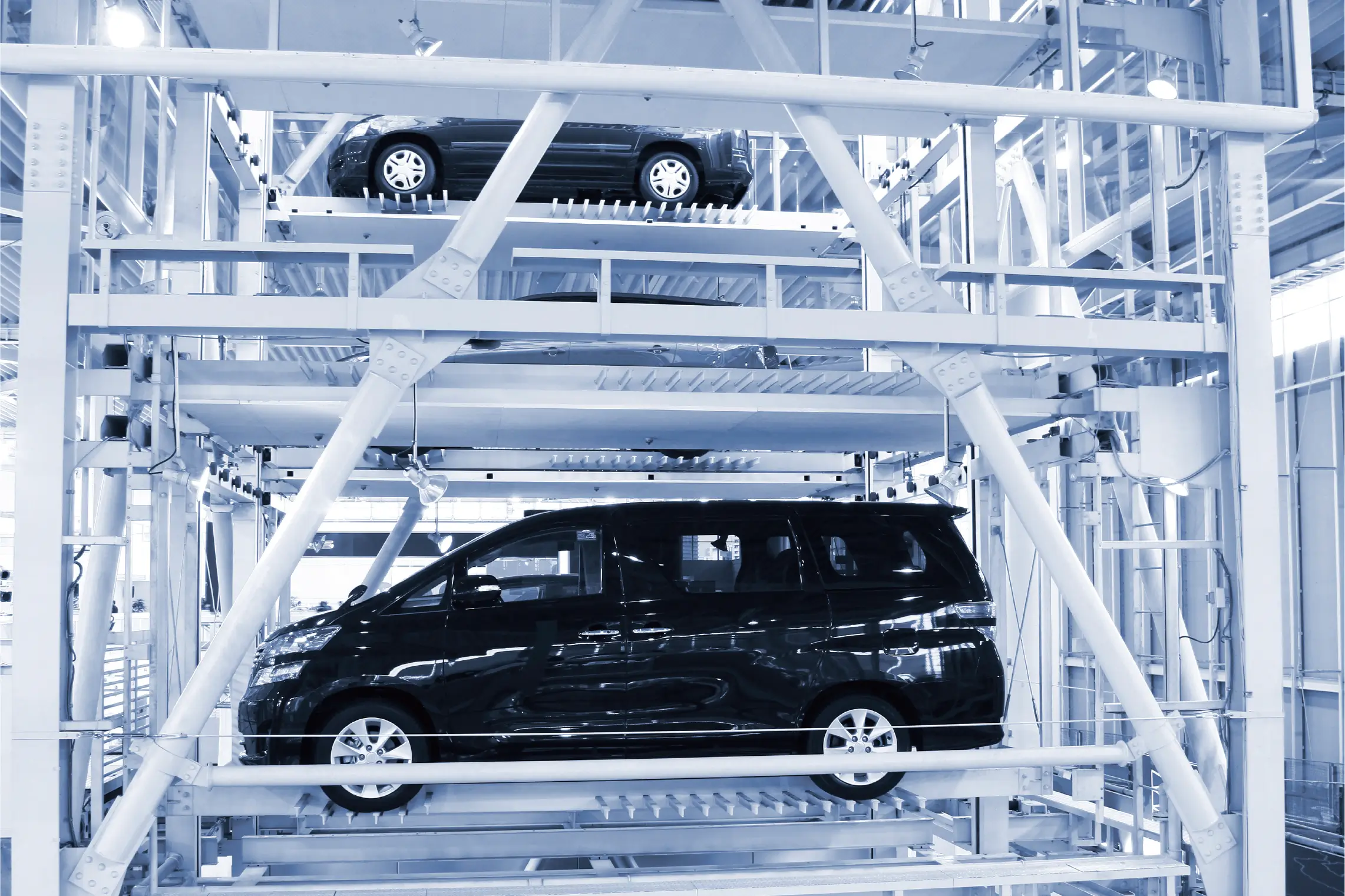
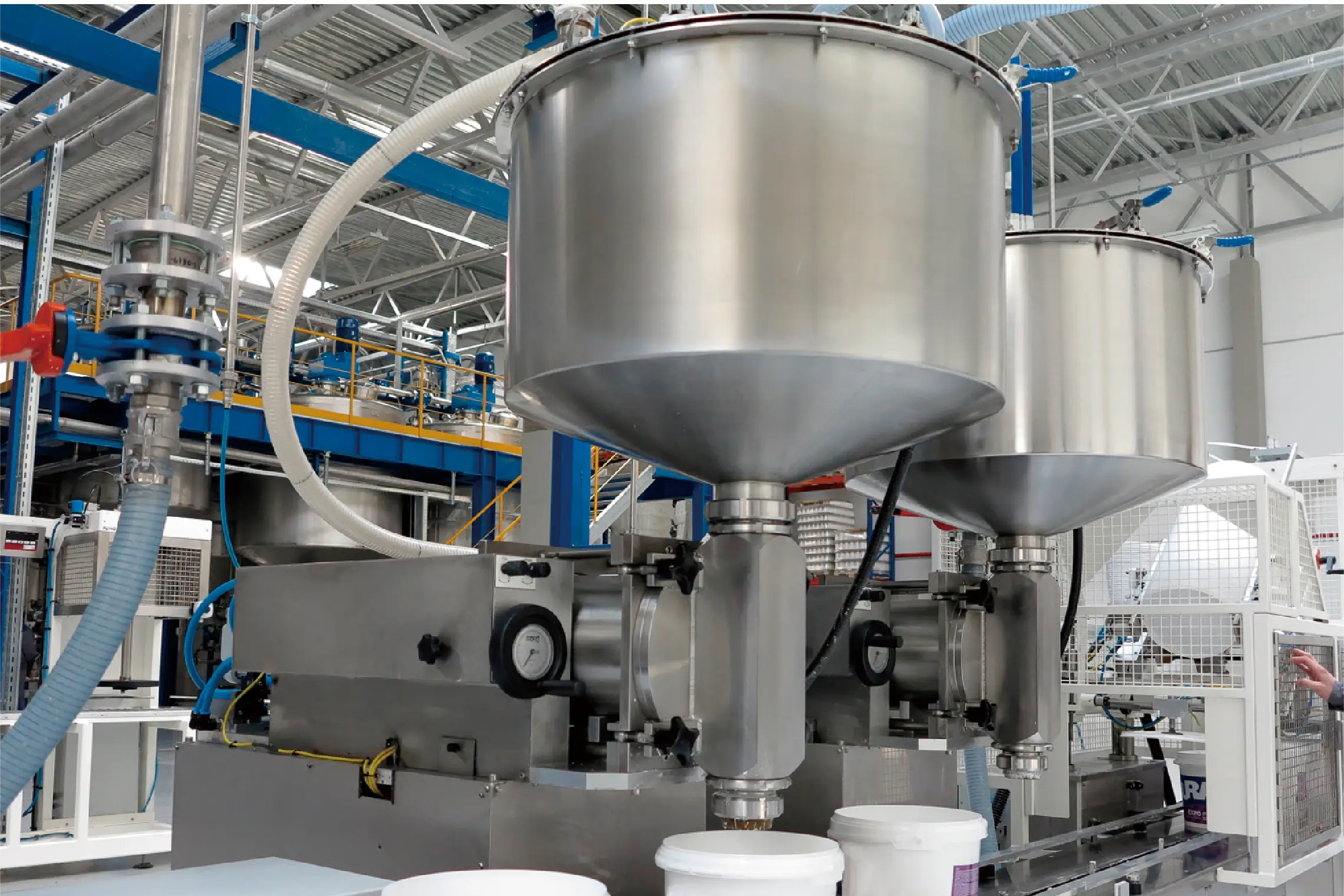
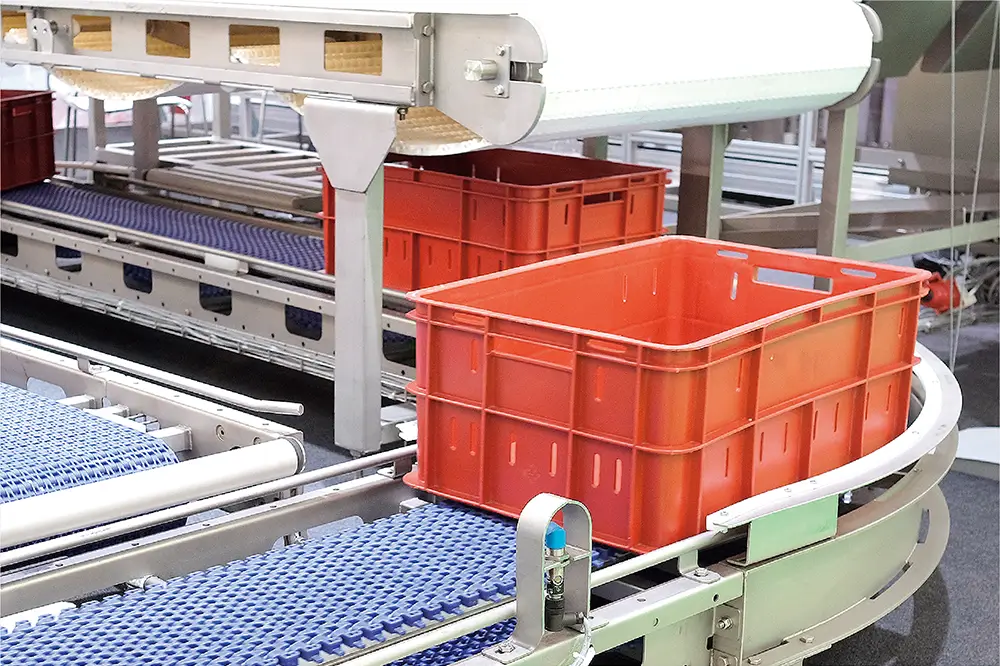
AC Drives (Low Voltage) Support

Easy setup and maintenance of low-voltage inverters!
Compatibility table between old and new models
Download documents
Column
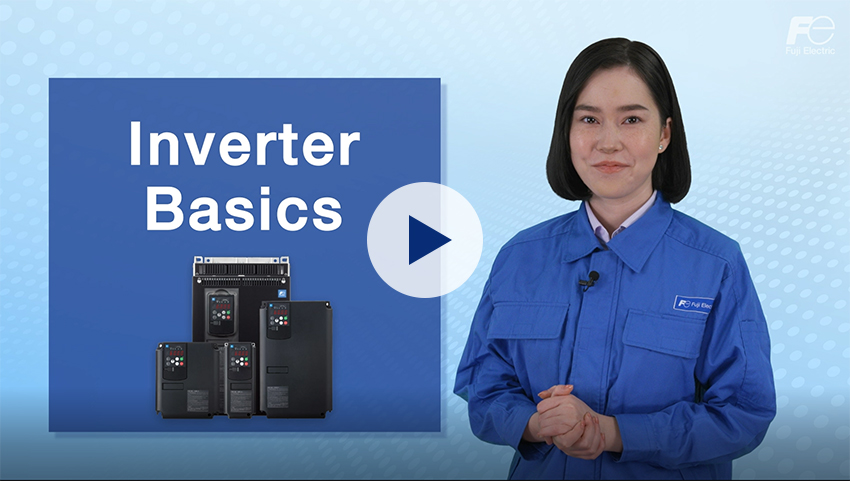
Understanding application, benefits, basic structure, case study, types, and Fuji Electric's inverters with this video.
December 27,2021

Understanding the basics: Differences between inverters and converters
January 20,2021

How and what does an inverter take control of? A brief explanation to grasp the basic structure.
January 20,2021
The fundamentals of inverters and their uses.
January 20,2021
Contact and Support
We also accept technical inquiries about products prior to implementation.
If any issues arise with the product, please contact your nearest branch.